Extending Independence at Home: Community Support Options with Elizabeth Williams
For many older adults, aging in place is the preferred option. Remaining in a familiar home and community offers comfort,…
For many older adults, aging in place is the preferred option. Remaining in a familiar home and community offers comfort, independence, and a strong sense of connection. However, aging in place doesn’t happen by accident. It requires thoughtful planning, community support, and a willingness to have important conversations before a crisis occurs.
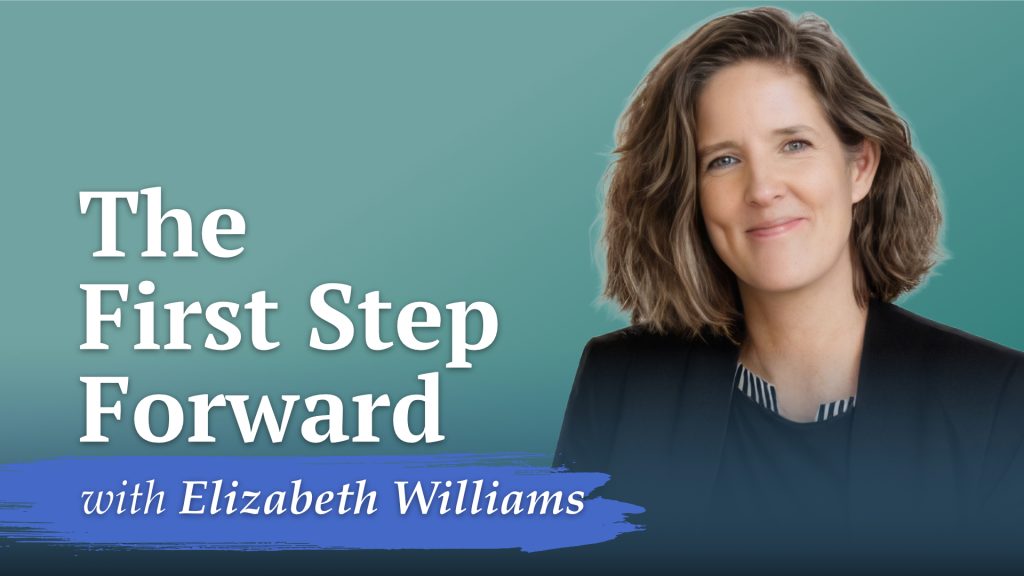
In a recent Aging Well at Home discussion, Elizabeth Williams, Executive Director of Mountain Aging Partners, shared practical caregiving insights and strategies that can help older adults and their families prepare for the future with confidence.
Start with Three Key Areas
Successful aging in place begins by evaluating three important areas: your home, your health, and your support system.
First, assess whether your home is safe and accessible. Consider home modifications that support aging in place, such as grab bars, improved lighting, and fall prevention measures. Next, evaluate your current and future health needs. Are you staying active, managing medications, and maintaining regular healthcare appointments? Finally, consider your circle of support, including family, neighbors, friends, and community resources.
Rather than trying to solve everything at once, focus on one improvement at a time. Small changes made today can have a significant impact later.
The Biggest Mistake Families Make
One of the most common challenges is waiting until a crisis occurs. Many families avoid difficult conversations or assume everything will work itself out. Unfortunately, a fall, hospitalization, or sudden health event often forces families into making quick decisions with limited options.
Planning ahead allows older adults to maintain greater control over their future. It also reduces stress, costs, and uncertainty for family members.
A helpful exercise is to consider worst-case scenarios. What happens if driving is no longer possible? What if stairs become difficult to navigate? What if daily tasks become overwhelming? Thinking through these possibilities helps families create realistic long-term planning strategies before they become urgent.
Why Community Support Matters
Many people underestimate the role community support services play in helping older adults remain independent. Organizations such as Mountain Aging Partners, Area Agencies on Aging, and local Councils on Aging provide valuable senior resources, information, and care coordination services.
Throughout Asheville, NC, Hendersonville, NC, and surrounding communities, these organizations offer guidance, assessments, educational programs, caregiver support, and connections to local services designed to help older adults age well.
The key is reaching out early. Waiting until a crisis occurs can limit available options and make decision-making much more difficult.
Programs That Help Older Adults Stay Independent
Many families are familiar with Meals on Wheels, but these programs provide far more than nutrition. Volunteers offer regular safety checks and social interaction that can identify concerns before they become emergencies.
A simple observation—such as noticing changes in appearance, mood, or routine—can prompt additional support and intervention. These small touchpoints often become an important part of a larger aging in place strategy.
Adult day programs also provide benefits for both participants and caregivers. These programs offer social engagement, activities, and supervision for older adults while giving caregivers much-needed respite. This balance helps support independent living while reducing caregiver burnout.
Community dining programs provide similar benefits by combining nutrition with social connection and regular wellness check-ins.
Recognizing Warning Signs
For adult children who live outside Western North Carolina, visits home often reveal changes that may otherwise go unnoticed.
Warning signs can include unexplained weight loss, changes in grooming habits, increased isolation, depression, confusion, missed appointments, or noticeable differences in household upkeep.
The important thing is to pay attention to anything that seems different from your loved one’s normal behavior. These changes may signal underlying health concerns, cognitive changes, or challenges with daily living.
If concerns arise, scheduling a medical evaluation is often a good first step. Families should also discuss healthcare decision-making, power of attorney documents, and ways to stay informed about ongoing health needs.
How to Start Difficult Conversations
Many families struggle with discussing retirement, caregiving, and future planning. A good approach is to begin with open-ended questions rather than focusing immediately on problems.
Ask questions such as:
What is most important to you as you get older?
What does aging in place look like for you?
What would you do if you could no longer drive?
How can I support you in maintaining your independence?
These conversations help build trust while encouraging realistic planning.
Two valuable resources recommended by aging professionals are the book Being Mortal by Atul Gawande and The Conversation Project, which provides conversation guides and planning tools for families navigating long-term planning decisions.
Be Proactive, Not Reactive
One of the most powerful reminders is that everyone is aging. Whether you are planning for yourself, a spouse, or a parent, now is the time to start.
Retirement planning should include more than finances. It should also address home safety, healthcare needs, transportation, social connections, caregiving support, and care coordination resources available in your community.
The reality is simple: either you create a plan for aging in place, or circumstances may create one for you. By taking small steps today and utilizing available senior resources throughout Asheville, NC, Hendersonville, NC, and Western North Carolina, older adults can remain independent longer and enjoy a safer, more fulfilling future.
About the Author:
More from Carolina Living Choices
Maintaining Strength and Mobility: Community Support with Elizabeth Williams
By Sue Liebe |

Recognizing and Preventing Isolation: Community Support with Elizabeth Williams
By Sue Liebe |

Extending Independence at Home: Community Support Options with Elizabeth Williams
By Sue Liebe |

Healthy Aging Starts With Connection: Why Social Engagement Matters for Seniors with Cori Search
By Betsy O'Leary |

Aging in Place Starts Earlier Than You Think: Planning Ahead with Jessie Bosshard
By Betsy O'Leary |

Aging at Home Without Crisis: Why Small Steps Make the Biggest Difference with Daniel Pickus
By Betsy O'Leary |