Rethinking Retirement – Why Communities Bring Comfort, Connection, and Peace of Mind in 2026
As we move deeper into 2026, many Baby Boomers—and their adult children—are facing a critical question: What does safe, fulfilling…

As we move deeper into 2026, many Baby Boomers—and their adult children—are facing a critical question: What does safe, fulfilling aging really look like today? For those between the ages of 65 and 85, the traditional idea of “aging in place” is being weighed against the modern comforts of retirement community living. And increasingly, the scales are tipping in favor of community.
Retirement communities today are not what they were 20 years ago. They’re vibrant, worry-free environments where residents don’t just live—they thrive.
Living Without the “Honey-Do” List
Let’s be honest: the upkeep of a home can be relentless, especially with age. From cleaning gutters to managing yardwork, from replacing a roof to dealing with unexpected plumbing repairs—these chores don’t just eat up time, they chip away at peace of mind.
Retirement communities take that entire burden off the table.
In these communities, there’s no need to worry about scheduling a handyman, climbing a ladder to clear leaves, or figuring out who’s going to mow the lawn during an icy February. Residents enjoy maintenance-free living—period.
And that’s just the beginning.
More Than a Home: A Community
At the heart of these retirement settings is connection. Whether it’s enjoying chef-prepared meals with friends, joining a morning walking group, or participating in classes and events, residents are surrounded by community—not isolation.
And research backs this up.
According to a 2023 study by the AARP, seniors who engage socially on a regular basis have a 45% lower risk of developing cognitive decline and are 30% less likely to suffer from depression than their isolated counterparts. Retirement communities create a natural environment for that kind of engagement.
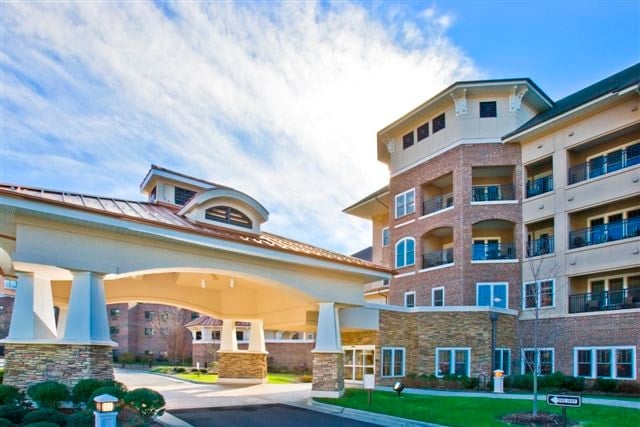
Source : Givens Estates Retirement Community
“But I Can’t Afford That…”
That’s the biggest myth we hear, and it’s worth challenging.
Yes, at first glance, the price tag of a retirement community can feel daunting. But let’s break it down.
Have you tallied up your monthly:
- Grocery bills?
- Water and sewer services?
- Landscaping and lawn care?
- Trash removal?
- Homeowners insurance?
- Property taxes?
- Transportation or car maintenance?
- Emergency repairs?
When you truly compare the bottom lines, you may find the costs are surprisingly similar. Especially when you add in the intangible value of safety, security, and daily connection.
A great tool to explore communities and compare amenities is CarolinaLivingChoices.com, which offers a full directory of retirement living options tailored to your lifestyle.
The Rise of the “Solo Agers”
Here’s a growing trend we can’t ignore: the “Solo Ager” or what some refer to as the Single-Flyer Boomer. These are individuals—many of whom are women—who are aging without a partner, spouse, children, or traditional support network.
And their numbers are growing. A Pew Research Center report shows that nearly 1 in 5 adults over 65 are aging alone—without immediate family nearby.
An interesting article by AARP.org states:
“In 1950, just 9 percent of all U.S. adults lived by themselves. Now 1 in 5 Americans ages 50 to 54, about 1 in 3 ages 55 to 74 and half of those age 75-plus are aging on their own, according to U.S. Census data. By 2038, the majority of people age 80 and older — about 10 million — will be solo agers, Harvard University experts estimate.” Source: https://www.aarp.org/family-relationships/solo-aging/
For these individuals, the decision to stay in a single-family home can quickly become dangerous. A slip on an icy porch, a power outage during a winter storm, a fall in the bathroom—without someone around to help, a minor event can turn tragic.
Statistically, the majority of aging adults do not get to choose when they move. Instead, the decision is made for them—by injury, illness, or an emergency event. It’s reactive, not proactive.
Many active adults and retirees don’t proactively plan their next move—instead, that decision is often made for them during a crisis. As I often say, if you don’t take the initiative to make a plan, the plan will be made for you—and it may not reflect your wishes.
Children of Aging Parents: A New Perspective
For adult children caring for aging parents, retirement communities can be life-changing. No more scrambling to pick up prescriptions, worrying about expired groceries, or missing work for a doctor’s appointment.
You get to become a son or daughter again—not a full-time caregiver.

And for the parent? They gain back independence, autonomy, and dignity in a place that’s designed for them to live fully.
Coming Next in Part 2: We’ll dive into the emotional, physical, and mental benefits of retirement community living—including wellness programs, safety stats, and interviews with real residents who’ve made the leap and never looked back.
In the meantime, explore Carolina Living Choices to see what’s possible—and why now may be the perfect time to take that next step.
About the Author:
More from Carolina Living Choices
Maintaining Strength and Mobility: Community Support with Elizabeth Williams
By Sue Liebe |
Recognizing and Preventing Isolation: Community Support with Elizabeth Williams
By Sue Liebe |

Extending Independence at Home: Community Support Options with Elizabeth Williams
By Sue Liebe |

Healthy Aging Starts With Connection: Why Social Engagement Matters for Seniors with Cori Search
By Betsy O'Leary |

Aging in Place Starts Earlier Than You Think: Planning Ahead with Jessie Bosshard
By Betsy O'Leary |

Aging at Home Without Crisis: Why Small Steps Make the Biggest Difference with Daniel Pickus
By Betsy O'Leary |