
The Safety Risks Families Underestimate: A Prevention Mindset with Jessie Bosshard Episode 12
Key Takeaways
- How to evaluate home safety
- Common caregiver mistakes
- Local Asheville senior resources
- Professionals every family should consult
- Emergency planning checklist
Unlock the secret to aging safely and with dignity—before a crisis hits. This episode reveals the simple, proactive steps you can take today to protect your loved ones’ independence and foster meaningful connection.
Watch This Episode
Aging Well at Home: Essential Home Safety Tips for Older Adults
For many older adults, remaining at home is an important part of maintaining independence, comfort, and quality of life. Aging in place can be a rewarding option when the home environment supports safety, mobility, and confidence. Families in Asheville, NC, Hendersonville, NC, and throughout Western North Carolina are increasingly looking for practical ways to reduce fall risks while helping loved ones remain independent.
According to Jessie Bosshard, Executive Director of Givens Home First, home safety is about much more than preventing accidents. It’s about preserving independence, confidence, and daily routines that contribute to overall well-being.

Common Home Safety Risks for Older Adults
Many homes contain everyday hazards that become more dangerous as mobility, balance, and vision change with age. Identifying these risks is one of the first steps in successful senior planning and aging in place.
Common concerns include:
Poor Lighting
Dark hallways, stairways, and bathrooms increase the risk of falls, especially during nighttime trips.
Clutter and Loose Rugs
Extension cords, misplaced items, and unsecured rugs can quickly become tripping hazards.
Bathroom Hazards
Wet surfaces, low toilets, and difficult shower access make bathrooms one of the highest-risk areas in the home.
Medication Management
Missed doses, duplicate medications, or confusion about prescriptions can create serious health concerns.
Rather than removing favorite furnishings that provide comfort, consider practical home modifications such as securing area rugs with non-slip backing or repositioning furniture to create safer walking paths.
Simple Home Modifications That Improve Safety
Many effective home safety improvements are affordable and can be completed quickly.
Improve Lighting
Install motion-activated night lights in bedrooms, hallways, and bathrooms. Remote-controlled lighting can also make moving through the home easier for individuals with limited mobility.
Reduce Trip Hazards
Keep walkways clear of clutter, remove unnecessary furniture, and organize frequently used items so they are easy to reach without climbing or bending.
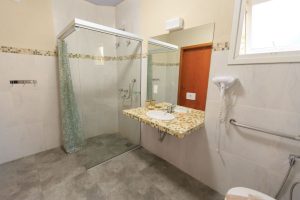
Increase Bathroom Safety
Install grab bars near toilets and inside showers, use non-slip bath mats, and consider a shower chair if standing becomes difficult. These home modifications can significantly reduce fall prevention risks.
Support Medication Safety
Use a weekly pill organizer, create a medication schedule, and review prescriptions regularly with healthcare providers to ensure medications remain appropriate.
Recognizing When Additional Support Is Needed
Family caregivers often notice subtle changes before a major incident occurs. Paying attention to these early warning signs allows families to explore senior resources before a crisis develops.
Watch for:
• Frequent bruises or unexplained injuries.
• Unopened mail, spoiled food, or neglected household chores.
• Difficulty navigating stairs or avoiding certain rooms.
• Increased fear of falling or reduced participation in daily activities.
When concerns arise, begin the conversation with empathy rather than urgency. Observing changes and discussing them respectfully often leads to more productive planning and better long-term outcomes.
Care Coordination Supports Aging in Place
Many families discover they do not have to manage everything alone. Professional care coordination can connect older adults with trusted senior resources, home safety assessments, caregiving insights, and local services that make aging in place more successful.
Whether someone needs occasional support or ongoing assistance, developing a personalized plan helps preserve independence while reducing unnecessary risks.

Helping Older Adults Live Safely and Confidently
Creating a safer home is one of the most valuable investments families can make. Thoughtful home modifications, fall prevention strategies, regular communication, and proactive senior planning allow older adults to remain comfortable in familiar surroundings while maintaining their independence.
For families throughout Asheville, NC, Hendersonville, NC, and Western North Carolina, utilizing local senior resources and expert guidance can make the journey toward aging well at home more manageable and rewarding. Small changes today can make a meaningful difference in safety, confidence, and quality of life for years to come.
Suggested External Expert Links
• Givens Home First — https://www.givenshomefirst.org
• National Institute on Aging: Home Safety for Older Adults — https://www.nia.nih.gov