
Maintaining Strength and Mobility: Community Support with Elizabeth Williams Episode 13
Key Takeaways
- How to evaluate home safety
- Common caregiver mistakes
- Local Asheville senior resources
- Professionals every family should consult
- Emergency planning checklist
How can older adults stay safe, strong, and independent as they age? In this video, Elizabeth Williams of Mountain Aging Partners shares practical insights on recognizing home safety concerns, maintaining strength and mobility, and knowing when additional support may be needed—valuable guidance for older adults and families planning for the future.
Watch This Episode
Maintaining Strength and Mobility: Community Support with Elizabeth Williams
Aging in place can give older adults the comfort of remaining in familiar surroundings while maintaining their independence. But as needs change, a home that once felt completely safe may present new challenges. Families in Asheville, NC, Hendersonville, NC, and throughout Western North Carolina can support healthy aging by paying attention to home safety, physical strength, and small warning signs before they become larger concerns.
Recognizing Common Home Safety Risks
Home safety is an important part of senior planning. Cluttered walkways, loose rugs, poor lighting, electrical cords, and slippery bathroom surfaces can increase the risk of falls. Because older adults see their surroundings every day, they may become accustomed to these hazards and no longer notice them.
A simple home safety assessment can help. Family members can walk through the home together and look for obstacles, dimly lit areas, unstable furniture, and places where additional support may be helpful. Home modifications such as grab bars, improved lighting, non-slip surfaces, and secure handrails can make aging in place safer without dramatically changing the home.

Watch for Changes That May Signal a Need for Help
Sometimes the first signs that an older adult needs additional support have little to do with the physical condition of the house. Frequent falls or near falls, unexplained weight loss, missed medications, spoiled food, or difficulty keeping up with everyday responsibilities may indicate that additional senior resources or care coordination are needed.
Families should pay attention to patterns rather than waiting for an emergency. A thoughtful conversation about changing needs can lead to practical solutions, from occasional help with meals or transportation to caregiving support or a discussion about independent living and other retirement options.
Strength Is an Important Part of Independence
Physical strength supports many activities people often take for granted, including getting out of a chair, bathing, preparing meals, carrying groceries, and climbing stairs. Maintaining strength and balance becomes increasingly important with age and can play a valuable role in fall prevention.
Simple movements can be incorporated into everyday routines. Standing up from a sturdy chair without using the hands, when it is safe to do so, is one example. Walking, appropriate balance activities, and professionally recommended strength exercises can also help older adults remain active. Anyone with health concerns or a history of falls should talk with an appropriate healthcare professional before beginning a new exercise program.
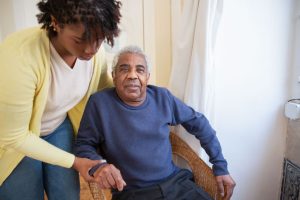
Make Healthy Movement Part of Daily Life
Exercise does not always have to feel like a formal workout. Everyday activities can encourage movement and help maintain mobility. Carrying manageable groceries, gardening, walking with friends, or participating in an appropriate senior fitness class can make physical activity more enjoyable.
Community programs in Asheville, NC and Hendersonville, NC can also help older adults stay socially connected while working on strength and balance. Local senior centers, recreation programs, and aging-services organizations may offer classes and other resources designed specifically for older adults.

Planning Today Can Support Independence Tomorrow
Long-term planning does not necessarily mean making an immediate move. It means understanding available choices before a crisis occurs. Families can discuss which home modifications might be needed, who could provide help if circumstances change, and which local senior services are available.
These caregiving insights are especially useful for adult children helping parents consider their future. A plan can include aging in place while the home remains safe, arranging additional support when needed, or exploring an independent living or retirement community if maintaining the home becomes difficult.
Frequently Asked Questions
What are common home safety hazards for seniors?
Common concerns include cluttered walking paths, loose rugs, inadequate lighting, slippery bathroom surfaces, stairs without secure handrails, and other obstacles that increase fall risk. Regular home safety reviews can identify problems early.
How can I tell if my parent is struggling at home?
Look for changes such as falls or near falls, weight loss, missed medications, spoiled food, difficulty preparing meals, neglected household tasks, or increasing isolation. One incident may not indicate a serious problem, but repeated changes deserve attention.
How can I help an older adult remain independent?
Start with open conversations about what is becoming difficult. Address home safety concerns, encourage appropriate physical activity, explore home modifications, and learn about local senior resources. Planning ahead gives families more time to consider choices that support independence and quality of life.
Suggested Links
Carolina Living Choices resource about aging in place and home safety.
Carolina Living Choices guide to senior living and retirement communities in Western North Carolina.
Carolina Living Choices resource directory for senior services, caregiving, and community support.
Mountain Aging Partners for information about senior planning, care coordination, and aging-related services.