
Thriving When Retired: Top Tips for a Fulfilling Life
Retirement is a big life change—and it often means figuring out what daily life looks like without the routine of…

Retirement is a big life change—and it often means figuring out what daily life looks like without the routine of work. In this article, we’ll share friendly, practical tips to help you stay active, manage your finances, and uncover new hobbies you’ll truly enjoy. Let’s take a look at how to make your retirement years some of your most rewarding yet.
Key Takeaways
- Transitioning to retirement offers a chance for new beginnings; embracing hobbies, social activities, and lifelong learning can enhance fulfillment.
- Staying physically active and engaged with the community through volunteering and social clubs significantly boosts mental and emotional well-being.
- Effective financial planning and maintaining a structured routine are essential for enjoying a stress-free and prosperous retirement lifestyle.
Understanding the Transition to Retirement

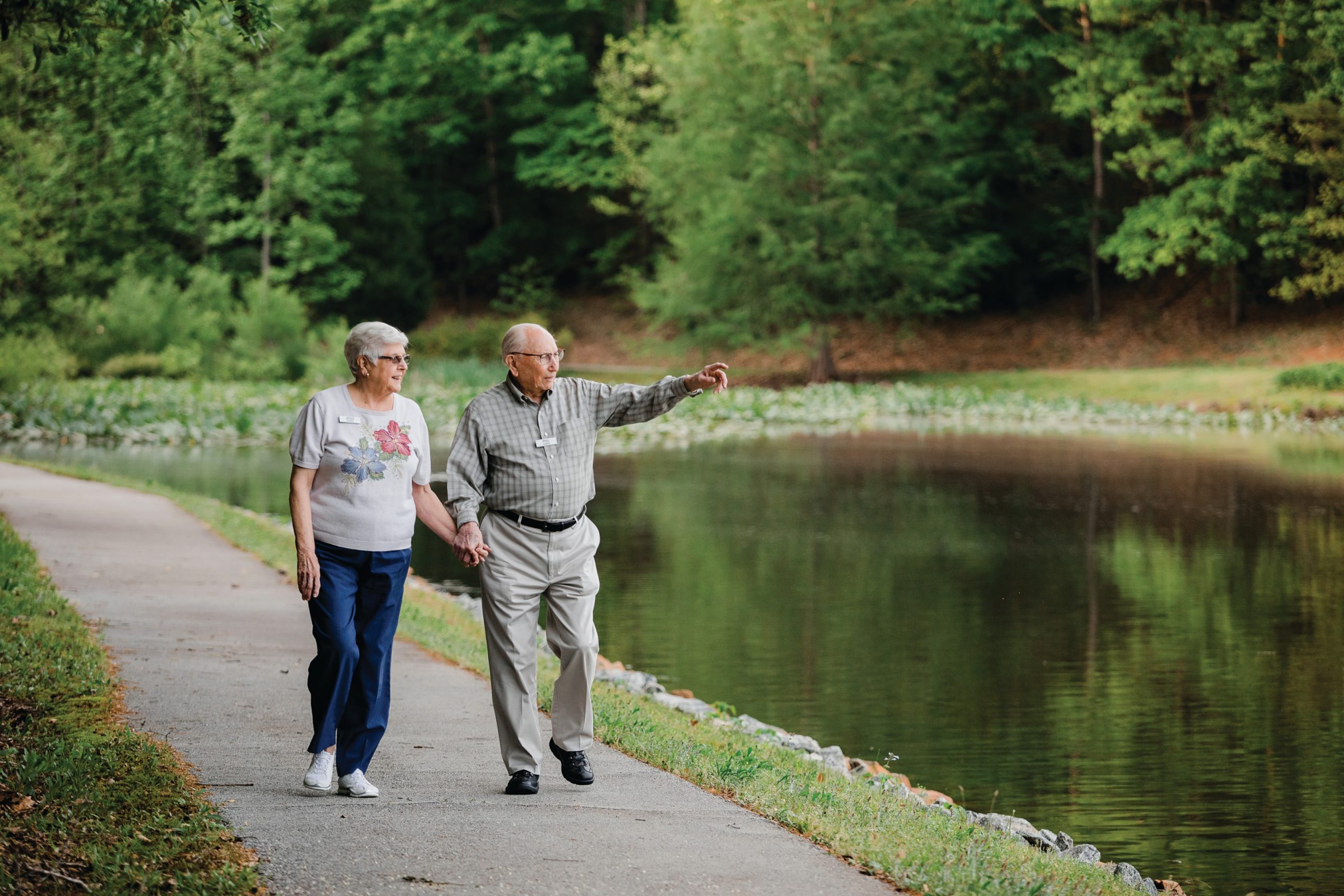
Photo Credit: Ardenwoods Retirement Community
Retirement brings a mix of emotions—it can be exciting to have more freedom, but it’s also a big adjustment. Many new retirees feel a little lost at first as they step away from familiar routines, work responsibilities, and daily interactions with colleagues. Letting go of that personal mission can bring unexpected feelings of grief, stress, or even loneliness as they figure out how to fill their days.
But this new chapter also opens the door to fresh opportunities and fulfilling activities. It’s a great time to explore new interests, rekindle old passions, and connect with others in meaningful ways. Staying active and curious, building a strong circle of support, and diving into lifelong learning can all help make this stage of life both joyful and rewarding.
Retirees often find it challenging to fill their newfound free time, which can lead to uncertainty and stress. The absence of a daily routine can disrupt their ideas of stability and well-being. Creating a structured daily routine can help establish a new rhythm and provide a guiding goal.
Another common challenge in retirement is staying socially connected. As routines change and friends move or become less available, it’s easy to feel a little lonely. But the good news is that finding new ways to connect—whether through group activities, clubs, or volunteering—can make a big difference. Staying social isn’t just enjoyable; it’s also a great way to support your mental and emotional well-being.
Embracing new interests and hobbies can significantly help lessen these challenges and enhance your focus. If you are interested in exploring new activities, it can lead to personal interest growth.
Embracing New Interests and Hobbies

Retirement is a wonderful chance to dive into interests and hobbies that may have taken a backseat during your working years. Spending time on activities you enjoy isn’t just fun—it also supports your mental and physical well-being. Pursuing hobbies can help ease feelings of loneliness and boost your sense of purpose by giving you something meaningful to work toward and enjoy.
Pursuing hobbies can offer various benefits for retirees, including:
- Gardening or photography, which connect retirees with nature while providing physical activity.
- Creative outlets such as painting, crafting, or playing a musical instrument, offering self-expression and mental stimulation.
- Popular hobbies like cooking, woodworking, and fixing up old cars, which can reignite passions from earlier in life.
Thinking back on lifelong interests or childhood hobbies is a great way for retirees to discover new activities they’ll truly enjoy. Many free or affordable classes—online or through local organizations—make it easy to pick up new skills or dive deeper into old favorites.
Getting involved in community events is also a fun and friendly way to meet people. Whether it’s a local art class, a gardening group, or a neighborhood gathering, these activities offer great chances to connect, stay social, and build a circle of support during retirement.
Social interaction through clubs and groups is critical for staying engaged and fulfilled. Whether it’s joining a book club, a gardening group, or a walking club, these activities can significantly enhance the social aspect of retirement life.
Staying Physically Active

Regular physical activity significantly lowers the risk of chronic diseases and improves both physical and mental health. Many retirees follow a routine of regular exercise for 20-30 minutes daily, which can include activities like swimming, walking, or hiking.
Outdoor activities like hiking and bird-watching are enjoyable ways for retirees to explore their surroundings while staying active. Spending time outdoors and choosing the right exercise routine and participating in sports leagues can provide numerous benefits.
Walking is one of the recommended exercises for older adults because it is low-impact and easily accessible. For instance, walking five times a week or participating in a morning routine of walking two miles can help establish a consistent exercise habit.
Retirees should choose activities that they enjoy and that fit their physical abilities, ensuring that they stay motivated and committed to their exercise routine. Joining a sports league helps retirees stay healthy and socially active. One popular sport retirees can try is pickleball. Searching online for local groups or leagues is a great way to get started and stay engaged.
Volunteering and Giving Back

Finding new purpose after retirement adds joy and enriches life. Volunteering is a fantastic way to expand one’s social network, improve health, and stay active. In fact, 96% of volunteers report being involved in meaningful activities.
Opportunities like helping at a local food pantry or even running for a community board can be incredibly rewarding. Getting involved not only makes a positive impact but also helps retirees feel more connected to their community. Choosing roles that align with your interests makes the experience even more meaningful and enjoyable.
Seniors can find opportunities that match their interests by reaching out to local charities or using online platforms dedicated to volunteer work. Contacting local charitable organizations or using volunteer search sites can help identify suitable opportunities. From part-time roles to more involved positions, there are many ways to give back and stay engaged with the community.
Pursuing Lifelong Learning
Picking up a new skill is a great way to keep your mind sharp. It helps strengthen memory, boost brain connections, and may even lower the risk of dementia. Whether it’s trying puzzles, learning a language, or exploring a new hobby, keeping your brain active plays a big part in staying mentally strong.
Embracing lifelong learning can make retirement even more rewarding. There are plenty of ways to keep learning—local classes, online courses, or community workshops all offer fun, engaging opportunities to grow and stay curious.
Local libraries often provide full access to various learning resources, including local library new language learning programs and workshops, for example, to talk about language learning.
Community colleges frequently offer affordable courses tailored for seniors seeking to develop new skills. Platforms like Udemy allow retirees to explore a wide range of subjects through self-paced courses. Many online learning sites provide free introductory courses, making education accessible for retirees.
Managing Health and Well-Being

Many retirees may experience a decline in health, with studies indicating a higher risk of heart attacks and strokes shortly after retirement. Benefits of physical activity and participation for seniors include:
- Boosting mood
- Relieving tension and stress
- Improving relaxation
- Helping combat social isolation
Establishing a strong social network can significantly enhance mental and emotional well-being for retirees. Regular health check-ups and mental health practices play a crucial role in maintaining overall well being. Routine medical examinations are crucial for early detection and management of health issues, helping retirees maintain their well-being. Regular check-ups often include tests for blood pressure and cholesterol, which are vital for identifying risk factors.
Incorporating mindfulness techniques can lead to improved mental clarity and emotional balance. Examples of these practices are:
- meditation
- progressive muscle relaxation
- deep breathing
- yoga
- tai chi
Practicing gratitude is a simple way to improve mood during retirement. Finding new purpose and staying socially and physically active are recommended practices for maintaining mental health after retirement.
Financial Planning and Security
Smart financial planning plays a big role in enjoying a comfortable retirement. Without it, many retirees risk stretching their savings too thin—nearly 45% could run out of funds. Taking a proactive approach can ease stress and make life more enjoyable. Creating a clear budget and even considering a part-time job can help provide added security and peace of mind.
Creating a budget helps retirees track their spending and ensure they live within their means. Nearly one-third of retirees spend overspend beyond their means, making careful tracking of expenses essential. Retirees should regularly review their expenses to adjust their budget according to changing needs.
Working part-time can help retirees supplement their income, alleviating financial pressure. Many retirees find satisfaction in earning money while continuing to work part-time, with 30% of workers hoping to work during retirement. Retirees can consider seasonal jobs in interesting locations to pursue fulfilling work. Utilizing seasonal employment websites can help cater to varying interests and locations for a part time job.
Traveling and Exploring
Retirement opens the door to all kinds of travel adventures, from relaxing getaways to exciting new destinations. With the freedom to go where and when they please, retirees can plan trips that match their pace and interests—without the limits of a work schedule.
Whether it’s exploring new places or enjoying local day trips, travel can add a fresh spark to retirement life. A little planning goes a long way, and finding new experiences close to home or farther away can bring joy, inspiration, and a sense of adventure.
Budget-conscious travelers can find numerous affordable options for enjoying scenic road trips across the country. Selecting destinations with senior-friendly amenities can improve comfort and enjoyment during trips.
Travel surveys indicate that a significant percentage of older travelers plan to venture abroad, highlighting a shift in retirement travel patterns related to age.
Exploring local activities can provide fulfilling experiences without extensive travel. Popular options for retirees include:
- Visiting local parks
- Exploring museums
- Attending community events
- Participating in local outdoor activities
Local excursions offer convenience and ease of access, making them an attractive option for retirees and providing several advantages. This option also presents a significant advantage for those looking to explore their surroundings. These local adventures can provide a feeling of adventure without the hassle of long-distance travel, enriching the retirement experience with minimal effort.
Building a Supportive Community

Participating in clubs and social groups allows seniors to connect with others who share similar interests, enhancing socialization. Benefits and ways seniors can engage socially include:
- Connecting with others who share similar interests
- Creating social networks through shared hobbies that lead to companionship and mutual support
- Engaging in community events to experience local culture and meet new people
Retirees can strengthen their social network by:
- Staying in touch with old colleagues
- Broadening their social connections
- Strengthening family bonds
- Making new friends
Taking intentional steps during retirement can add meaning and fulfillment to this exciting phase of life. Many people who retire early find that it opens the door to new opportunities—whether it’s joining a meaningful organization, exploring new hobbies, or making smart financial decisions.
If you’re thinking about retiring soon, it’s a great time to consider how you want to spend your days and what matters most to you. With thoughtful planning, retirement can be a truly rewarding chapter filled with purpose and joy.
Frequent family visits can greatly enhance the emotional well-being of retirees during their golden years. Family gatherings provide fun opportunities to share experiences with loved ones, reinforce connections, and create lasting memories. Regular family activities such as game nights or potlucks can enhance family connections for retirees.
Ways retirees can enhance social connections and well-being include:
- Joining clubs centered around personal interests to connect with like-minded individuals.
- Participating in peer support groups that provide emotional support and social interaction to cope with retirement challenges.
- Making new friends in retirement to enhance emotional well-being and provide a sense of belonging.
Staying socially active and open to new close friend can transform the retirement experience as we grow older, making it more fulfilling and enjoyable.

Summary
Retirement is a golden opportunity to explore new horizons, stay active, and build meaningful connections. By understanding the transition, embracing new interests, staying physically active, giving back, pursuing lifelong learning, managing health, planning finances, traveling, and building a supportive community, retirees can ensure a fulfilling and happy retirement life. Embrace this new chapter with enthusiasm and curiosity, and let the adventure of retirement bring joy and satisfaction.
Frequently Asked Questions
What are some common emotional challenges faced by retirees?
Retirees often face emotional challenges like a sense of loss and aimlessness due to the shift from work life. By building a support network and pursuing meaningful activities, you can successfully navigate this transition and thrive in your retirement!
How can retirees find new hobbies or interests?
Retirees can reignite their passions by reflecting on past interests or exploring new ones they’ve always wanted to try. Dive into free or low-cost courses to develop these skills and watch your newfound hobbies flourish!
What are some benefits of volunteering for retirees?
Volunteering is a fantastic way for retirees to find purpose, strengthen social connections, and boost their health. Embrace this opportunity for personal growth and fulfillment!
How important is financial planning for retirees?
Financial planning is essential for retirees to maintain a comfortable lifestyle and prevent financial stress. By creating a budget and considering part-time work, you can ensure your funds last throughout retirement.
What are some ways to stay physically active during retirement?
Staying physically active during retirement is essential for your well-being, so consider walking, swimming, or joining sports leagues. These low-impact exercises not only keep you fit but also uplift your mood and relieve stress!
About the Author:
More from Carolina Living Choices

Essential Single-Family Rehabilitation Loan Pool Program
By Sue Liebe |

Older Adults Home Modification Program
By Betsy O'Leary |

Rethinking Retirement – Why Communities Bring Comfort, Connection, and Peace of Mind in 2026
By Betsy O'Leary |

Choosing the Best Independent Residence: Key Factors to Consider
By Sue Liebe |

Top Day Trips in North Carolina: Must-Visit Spots for Every Traveler
By Sue Liebe |

Home Health Professionals in Hendersonville and Asheville, North Carolina
By Sue Liebe |